3 Basic Guitar Technique Lessons
Why these 3 lessons?
When you start this course, you should already have basic guitar technique, BUT:
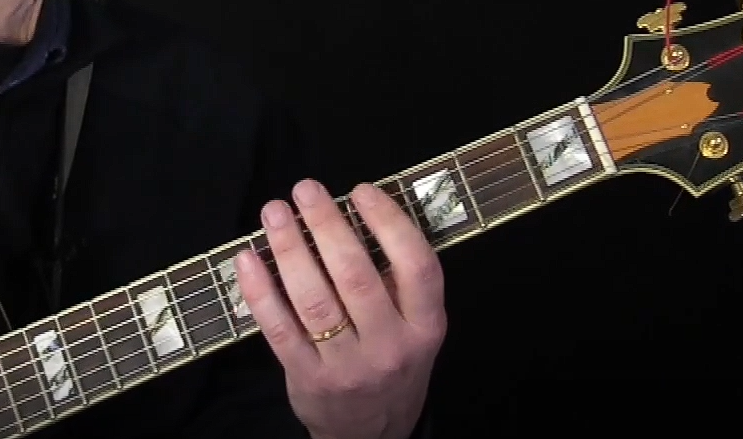
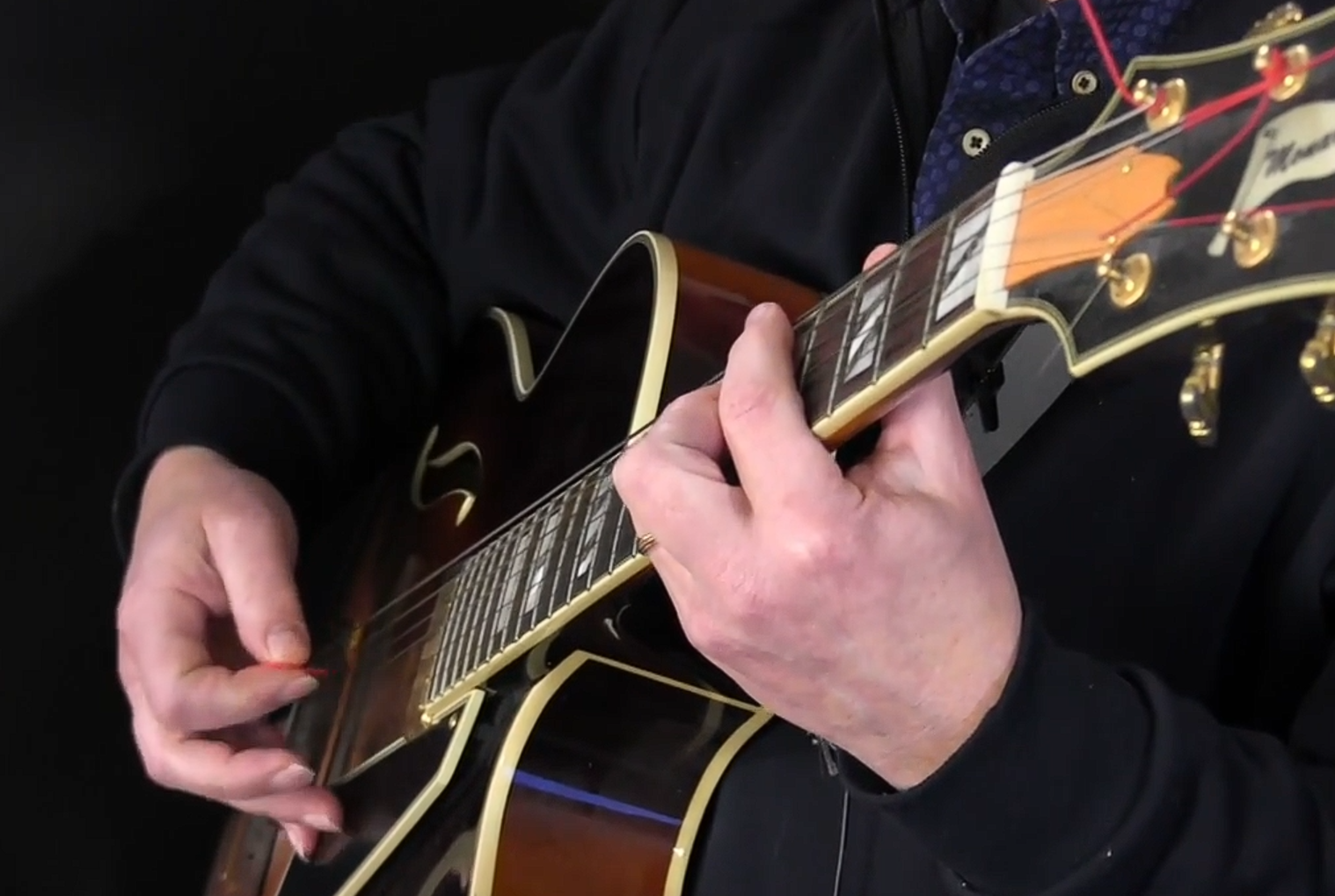
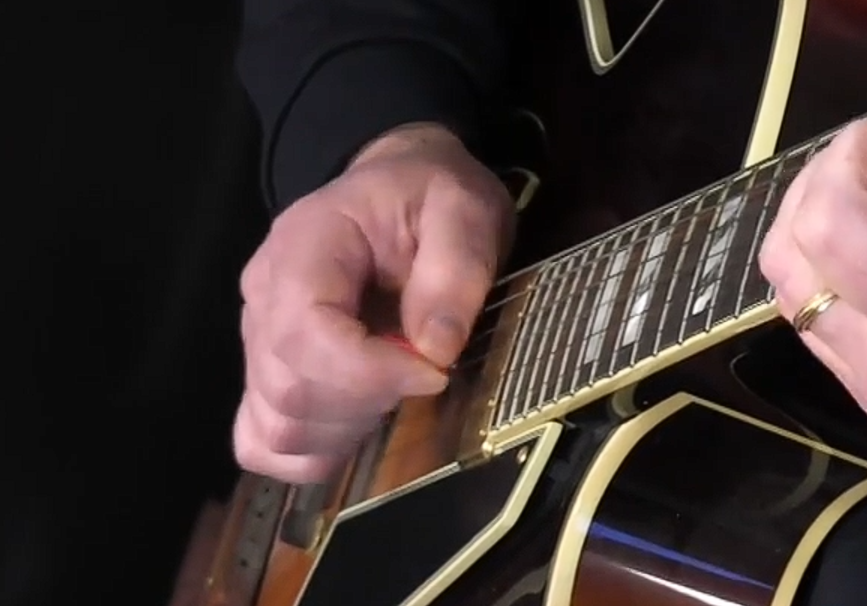
Left hand position, finger placement, picking, paying attention to these details can make the difference between poor, average, and good technique, and in the end, the difference between poor sound and great tone and fluency. Here some basic rules for good technique are explained.
Important note: you will surely come across great guitar players, especially jazz players, that do not follow all of the ''rules'' I am explaining here. So even with the ''wrong'' technique, some players do great. Bear in mind that:
- if you have long fingers, you can reach farther, but if not, you really need to keep your hand in the best position as explained here.
- many players, especially self-taught, do not use their little finger a lot, but have found a way of playing to get around that; still, you can do more with your little finger if you train it.
A great musician will always find a way to play good music; there are even great pianists and guitarist that are missing fingers: however, that obviously does not mean that handicaps are an advantage. So give yourself the best start, by learning the proper technique. At the same time, if you've played with ''improper'' technique for too many years, don't get too hung up on it; just be honest with yourself: is it holding you back? Can you play the scales fluently and without hesitation? Do you like your tone? If yes, OK, no worries, if not, work on your technique as explained here!!
Your technique determines how you sound, in terms of tone and fluency. If you like my tone, this is how I get it. It is not in the guitar or the amp: it's the technique! And as for improvisation: a simple idea, played with great tone sounds great. A brilliant phrase, played with poor tone, sounds like sh...t. ;)
By the way, some comments on picks and strings are also included.
What is most important in the end, is that you pay attention to tone and technique, and keep practicing until your tone and fluency is really good. Only then will your improvisations sound great!
Matt Otten